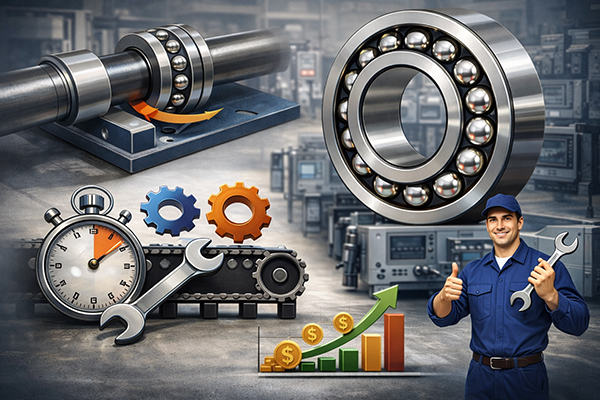
In any factory, workshop, or power plant, the most expensive problem is a machine that stops working. When a machine stops, production stops. This is called “downtime.” Every minute a machine is broken, the company loses money.
One of the most common reasons for these breakdowns is a failed bearing. Bearings are the small metal parts that let shafts and wheels spin smoothly. In a perfect world, machinery would always be perfectly straight. But in the real world, shafts bend, floors shake, and machines vibrate. Standard bearings cannot handle this stress well. They get hot, make noise, and break.
However, there is a special type of bearing designed to solve exactly this problem. It is called the Self-Aligning Ball Bearing. This smart component is built to handle imperfections. This article explains how this simple device helps keep machines running longer and drastically reduces the need for repairs.
What Are Self-Aligning Ball Bearings?
A self-aligning ball bearing is a rolling bearing with a unique design. While standard bearings are rigid (stiff), self-aligning bearings are flexible.
How does it work?
Think of the ball-and-socket joint in your shoulder. It allows your arm to move in many directions, not just up and down. A self-aligning bearing works in a similar way.
- The Outer Ring: The inside of the outer metal ring is curved like a bowl (spherical).
- The Inner Ring: The inner ring and the balls can swivel inside this curved outer ring.
This design allows the bearing to adjust itself automatically if the shaft bends or tilts. It can accommodate “misalignment” without fighting against the machine.
Common Causes of Maintenance Issues & Downtime
Why do machines break down? Here are the four biggest enemies of standard bearings:
- Misalignment: This is the number one killer of bearings. If the shaft is not perfectly straight, or if the two ends of a machine are not lined up exactly, the bearing gets squeezed unevenly.
- Shaft Deflection: Long shafts (like those used in conveyor belts) often bend in the middle under heavy weight. A standard rigid bearing cannot handle this bending and will seize up.
- Vibration: Heavy shaking can cause parts to loosen and wear out prematurely.
- Overheating: Friction creates heat. If a bearing is fighting against a bent shaft, it creates friction. This heat kills the grease inside, leading to metal grinding against metal.
How Self-Aligning Ball Bearings Help Reduce Maintenance
These bearings are “forgiving.” They tolerate errors that would destroy a standard bearing. Here is how they make life easier for maintenance teams.
Automatic Alignment Capability
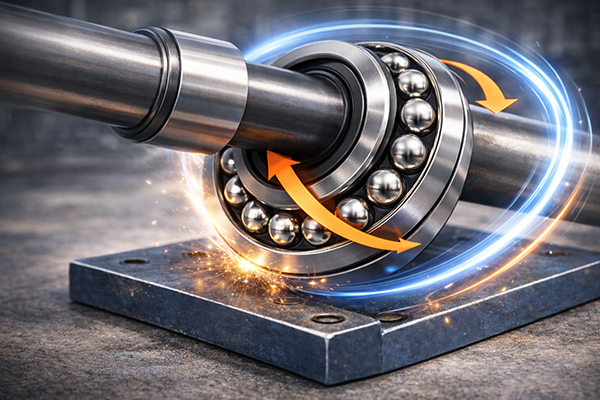
This is the biggest benefit. If a machine shaft bends slightly due to a heavy load, a standard bearing would jam or crack. A self-aligning bearing simply swivels to match the new angle of the shaft. It happens instantly and automatically. The maintenance team does not need to stop the machine to realign the shaft constantly.
Reduced Wear and Tear
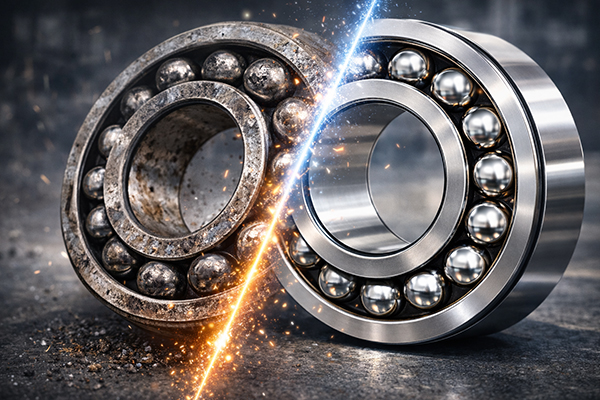
Because the bearing moves with the shaft instead of fighting against it, there is less stress on the metal balls and the cage. Reduced stress means the metal does not get “tired” (fatigued) as quickly. This significantly extends the total life of the bearing.
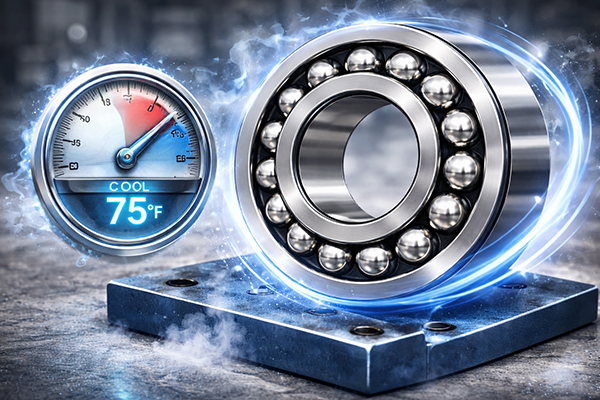
Lower Operating Temperature
These bearings generate the lowest friction of all rolling bearings. Less friction means they run cooler. When a bearing runs cool, the grease or oil inside lasts much longer. This means the maintenance team does not have to re-grease the machine as often, saving labor time.
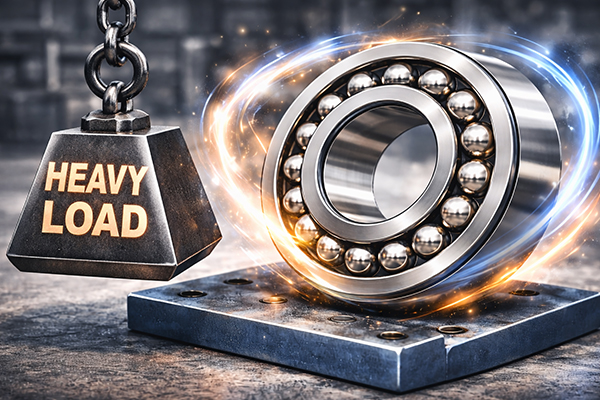
Smooth Operation Under Load
Even when the machine is working hard and the shaft is deflecting (bending), the bearing keeps spinning smoothly. It prevents the vibration and noise that usually signal a coming breakdown.
How These Bearings Help Reduce Downtime
Downtime is costly. Here is how choosing the right bearing saves production time:
Industries That Benefit from Low-Maintenance Bearings
Any industry that uses heavy or long machinery relies on these bearings:
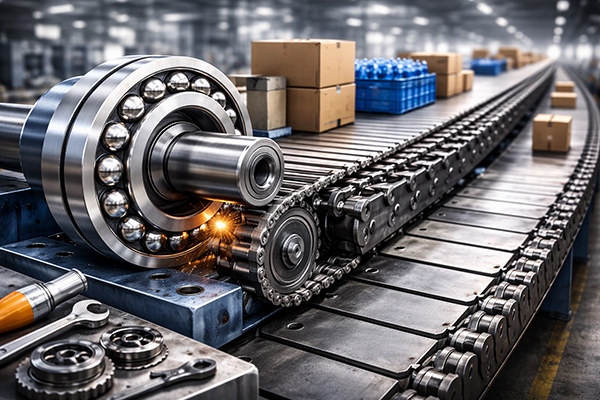
Conveyor Systems
Long belts often have shafts that wobble or bend under the weight of packages or coal.
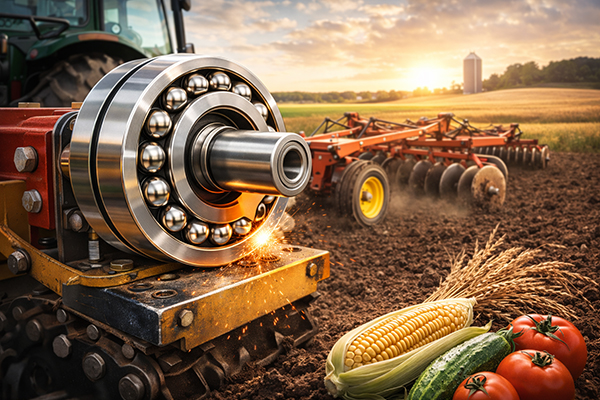
Agriculture
Farm machines (like harvesters) drive over bumpy fields, causing the metal frames to twist and turn.
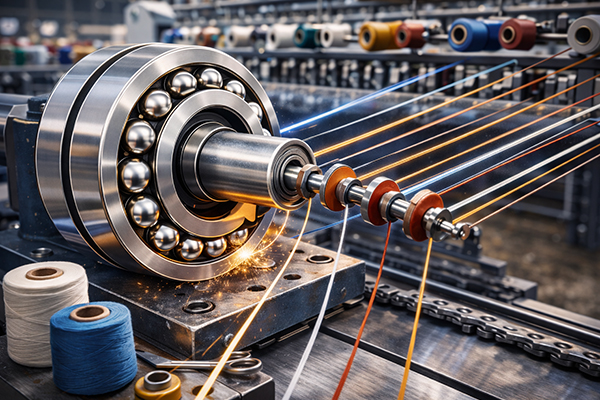
Textile Industry
Spinning machines have very long, thin shafts that spin at high speeds.
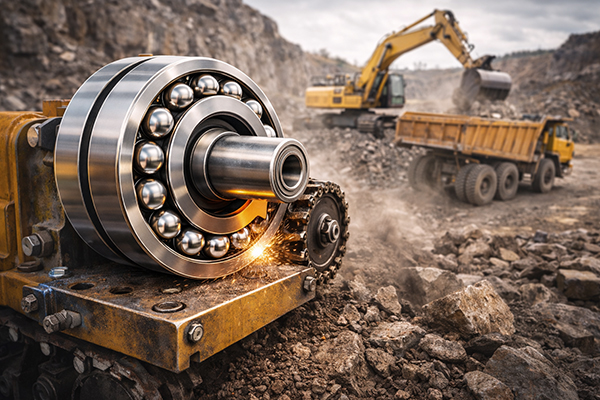
Mining and Quarrying
The heavy loads of rock and ore can easily bend equipment frames.
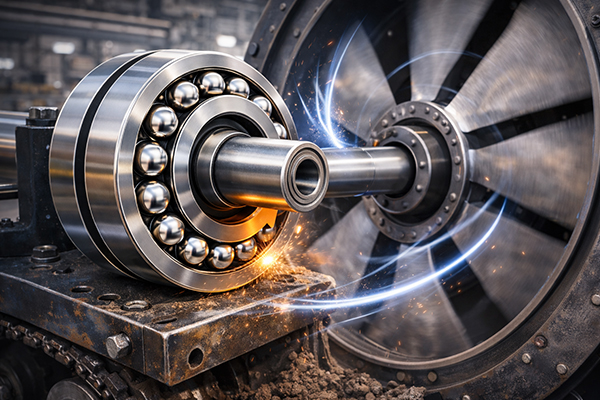
Industrial Fans
High-speed fans often vibrate, which these bearings can handle without failing.
Comparison Table: Self-Aligning vs. Standard Bearings
Here is a simple table to help you understand when to use which bearing.
|
Feature |
Self-Aligning Ball Bearing | Standard (Rigid) Ball Bearing | Maintenance Impact |
| Reaction to Bending | Swivels to match the bend | Resists and gets hot |
Self-aligning prevents overheating. |
|
Friction Level |
Very Low | Low to Medium | Lower friction means longer grease life. |
| Load Handling | Good for radial (downward) loads | Good for all loads |
Standard is better for heavy side-pushing loads. |
|
Sensitivity to Errors |
Forgiving (Tolerates errors) | Sensitive (Needs perfection) | Self-aligning saves time on alignment. |
|
Running Temperature |
Cool | Warm |
Cool running protects seals and oil. |
Cost & Productivity Benefits
Switching to self-aligning bearings is a smart financial move for any business.
- Lower Repair Bills: You buy fewer replacement bearings over the year, and you spend less money on mechanic wages.
- Higher Output: If a machine runs for 100 hours without stopping, it produces more goods than a machine that stops every 10 hours for cooling or fixing.
- Energy Savings: Because they have very low friction, the motor does not have to work as hard to spin the shaft. This lowers the factory’s electricity bill.
Frequently Asked Questions (FAQs)
They are excellent for “Radial” loads (weight pressing down). However, they are not the best choice for very heavy “Axial” loads (pushing sideways).
No. You can use standard industrial bearing grease. In fact, because they run so cool, the grease actually lasts longer in these bearings than in others.
Often, yes. If the dimensions (size) are the same, you can swap them. It is a great upgrade for machines that keep breaking bearings due to misalignment problems.
No. They are often easier. If you use an adapter sleeve, they are very simple to mount on long shafts without needing expensive tools.
Usually between 2.5 to 3 degrees. This might sound like a small number, but for a solid steel shaft, it is a huge amount of bending.
The balls touch the outer ring at a very loose, gentle angle. This creates very little drag, allowing the bearing to spin freely and stay cool even at high speeds.
They cost slightly more than a basic bearing initially, but they save thousands of dollars by preventing expensive machine downtime later.
Self-aligning ball bearings are a simple solution to a complicated problem. By being able to swivel and adjust, they stop machines from fighting against themselves.
For maintenance teams, these bearings are a blessing. They run cooler, last longer, and don’t panic when a shaft bends. While they might look like normal bearings on the outside, their ability to “go with the flow” reduces maintenance headaches and keeps the factory running smoothly. Investing in these bearings is investing in reliability.
If you are looking for reliable and high-quality self-aligning ball bearings, Shubh Traders is your trusted partner. We supply bearings that offer smooth performance, reduced maintenance, and long service life. Contact Shubh Traders today to discuss your requirements.